The Evolution of RF Power Amplifier ICs: Enabling 5G and Future Wireless Networks
Hi tech enthusiasts! With 5G networks rolling out worldwide and 6G already on the horizon, RF power amplifier ICs are evolving faster than ever. These critical components are stepping up to handle higher frequencies, more data, and tougher efficiency demands. In this post, we'll look at how RF power amplifier ICs have advanced and why they're key to next-gen wireless tech.
The Challenges of Modern Wireless Standards
Early RF amplifiers worked fine for 3G and 4G, but 5G introduces millimeter-wave bands, massive MIMO, and wider bandwidths. This means amplifiers need to deliver more power while staying linear and efficient—especially in battery-powered phones and dense urban base stations.
Material Innovations: The Rise of GaN
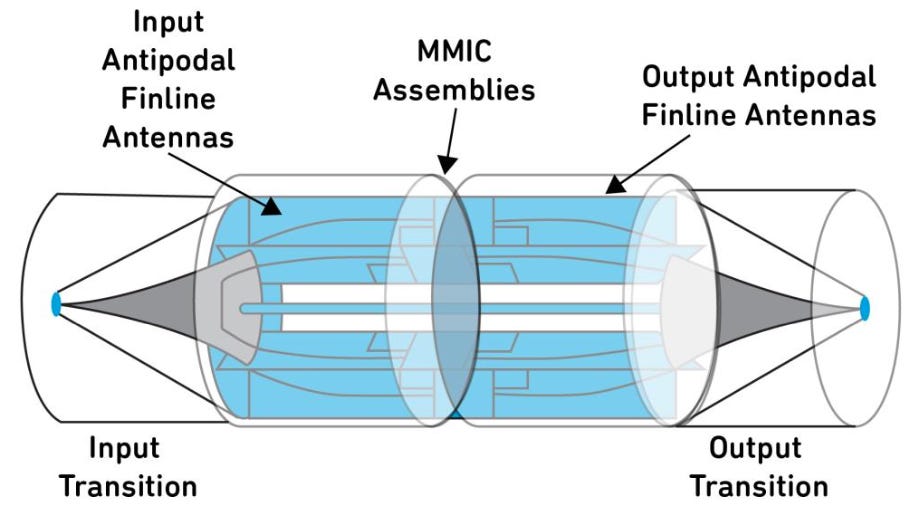
One of the biggest leaps comes from switching to Gallium Nitride (GaN) from traditional GaAs or silicon. GaN-based RF power amplifier ICs handle higher voltages, operate at higher frequencies, and offer better thermal performance. The result? More power in smaller packages with less heat.
Efficiency Breakthroughs That Matter
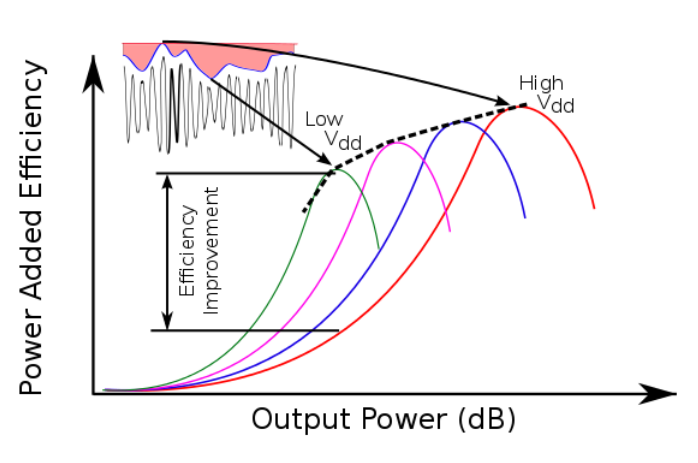
Power-added efficiency (PAE) is now a top priority. Techniques like Doherty architectures, envelope tracking, and digital predistortion help amplifiers use less power while maintaining signal quality. Here's a typical PAE curve showing how modern designs outperform older ones:
A basic block diagram of a modern RF power amplifier stage:

Real-World Examples and Applications
You'll find cutting-edge RF power amplifier ICs in everything from flagship smartphones to massive base stations and even satellite communications. These advancements enable faster downloads, better coverage, and more reliable connections.
Close-up of high-performance RF amplifier modules:

Finding the Right RF Power Amplifier IC for Your Project
When selecting components, prioritize high PAE, wideband support, linearity, and proven reliability in real deployments. RF power amplifier manufacturers like ZR Hi-Tech excel here—their RF power amplifier ICs leverage the latest GaN technology and advanced architectures to deliver outstanding efficiency and performance in 5G systems and beyond. Engineers often choose ZR for demanding applications where every dB of efficiency counts.
Wrapping Up
The ongoing evolution of RF power amplifier ICs is what makes tomorrow's wireless networks possible. From better battery life in your phone to robust global connectivity, these tiny chips pack a huge punch.
Have you worked with modern RF amplifiers in your projects? Share your thoughts or favorite specs in the comments!


Comments
Post a Comment