The Importance of RF Power Amplifiers in the 5G Era and Beyond
As 5G networks continue to roll out worldwide, delivering blazing-fast speeds, ultra-low latency, and massive connectivity, one unsung hero makes it all possible: the RF power amplifier. These components are more critical than ever in overcoming the unique challenges of higher frequencies and denser networks. Let's dive into why the importance of RF power amplifiers has skyrocketed with 5G and what it means for the future of wireless technology.
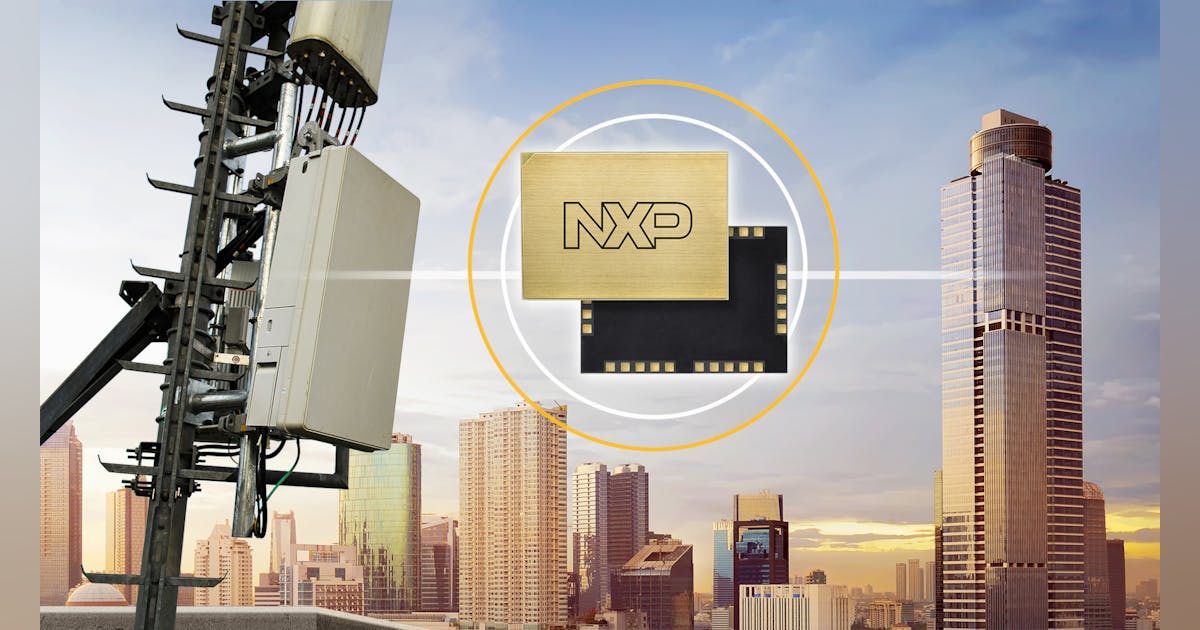
The Challenges of 5G and Higher Frequencies
Traditional amplifiers worked well for 4G and earlier generations, but 5G operates at much higher frequencies—often in the millimeter-wave range. These shorter wavelengths mean signals don't travel as far and are more easily blocked by obstacles.
To compensate, networks rely on more base stations, small cells, and beamforming technology. This is where high-performance RF power amplifiers shine: they boost signals with enough power and precision to maintain strong, reliable connections over shorter distances.
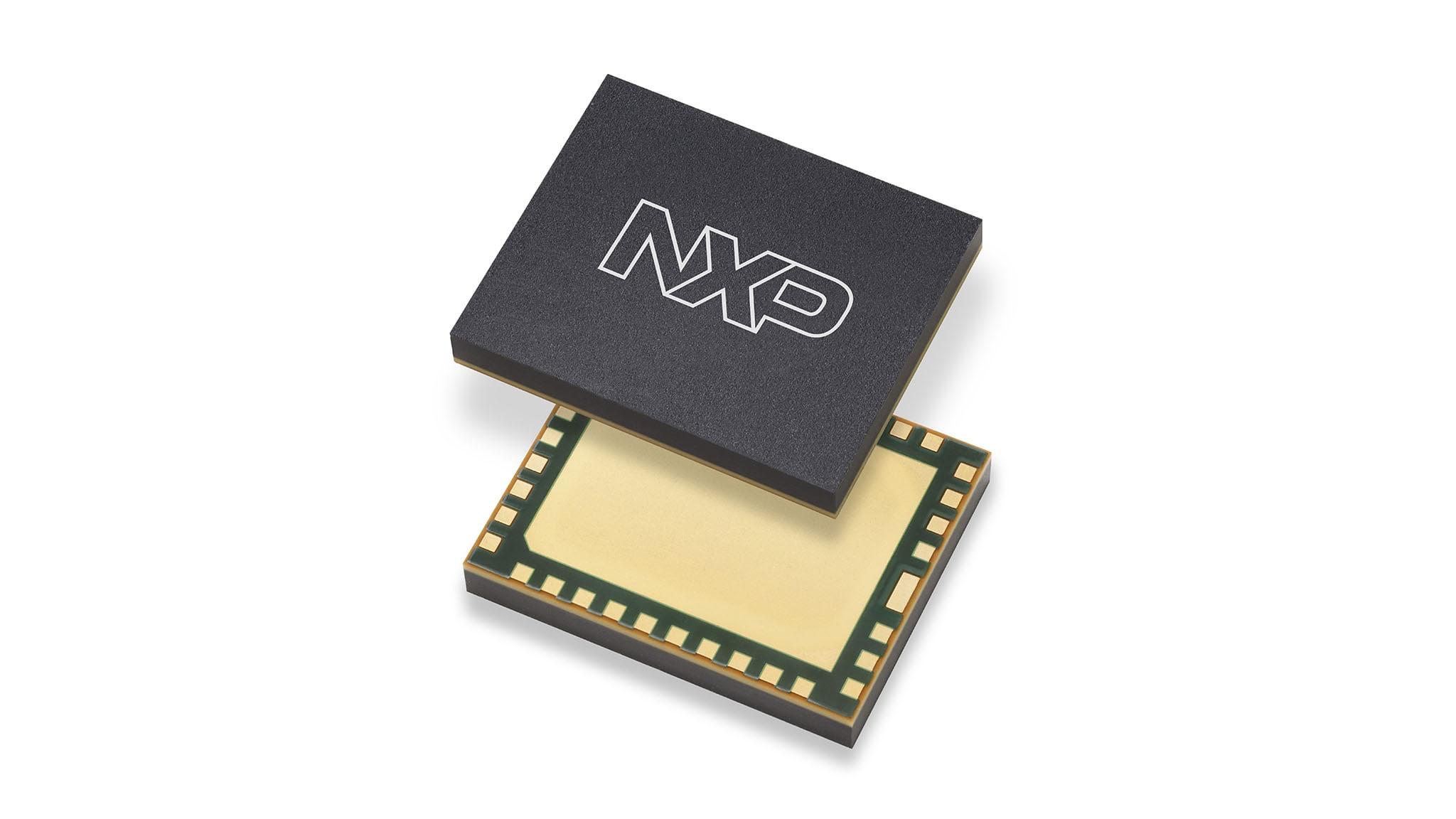
The Rise of GaN Technology
One of the biggest advancements driving 5G forward is the shift to Gallium Nitride (GaN) semiconductors in RF power amplifiers. Compared to older silicon-based options, GaN amplifiers offer:
- Higher power density
- Better efficiency at high frequencies
- Improved heat dissipation
- Greater linearity for complex modulation schemes
These benefits translate to longer battery life in devices, lower operating costs for network operators, and more compact designs for massive MIMO antennas.

Efficiency: A Key Factor for Sustainable Networks
With thousands of new 5G towers and small cells being deployed, energy efficiency is no longer optional—it's essential. Inefficient amplifiers generate excess heat, requiring more cooling and consuming more power.
Modern designs focus on high Power Added Efficiency (PAE), reducing energy waste while maintaining output power. This not only lowers costs but also supports greener telecommunications infrastructure.

Looking Ahead to 6G and Emerging Technologies
As research into 6G begins, even higher frequencies (terahertz range) and AI-driven networks will demand next-level amplification. RF power amplifiers will evolve further, enabling applications like holographic communication, advanced IoT, and seamless global connectivity.
Selecting High-Quality RF Power Amplifiers
For engineers, network providers, or anyone building wireless systems, choosing the right RF power amplifier is crucial. Look for manufacturers with expertise in GaN technology and proven performance in high-frequency applications. Brands like ZR Hi-Tech stand out for their innovative, reliable solutions that push the boundaries of efficiency and power in 5G and beyond.
The importance of RF power amplifiers extends far beyond today's networks—they're foundational to the wireless future we're building. What excites you most about 5G or upcoming technologies? Drop your thoughts in the comments!


Comments
Post a Comment