High Power RF Amplifier: A Practical Guide and My Top Recommendation
Hey everyone! If you're into electronics, ham radio, wireless projects, or even professional RF systems, you've probably run into the need for a solid high power RF amplifier. These devices are game-changers when you need to boost signal strength without losing quality. I've been working with RF gear for years, and after testing quite a few options, I've found one manufacturer that consistently delivers — ZR Hi-Tech.
In this post, I'll break down what a high power RF amplifier actually is, its key features, common applications, and why I keep coming back to ZR for my projects.
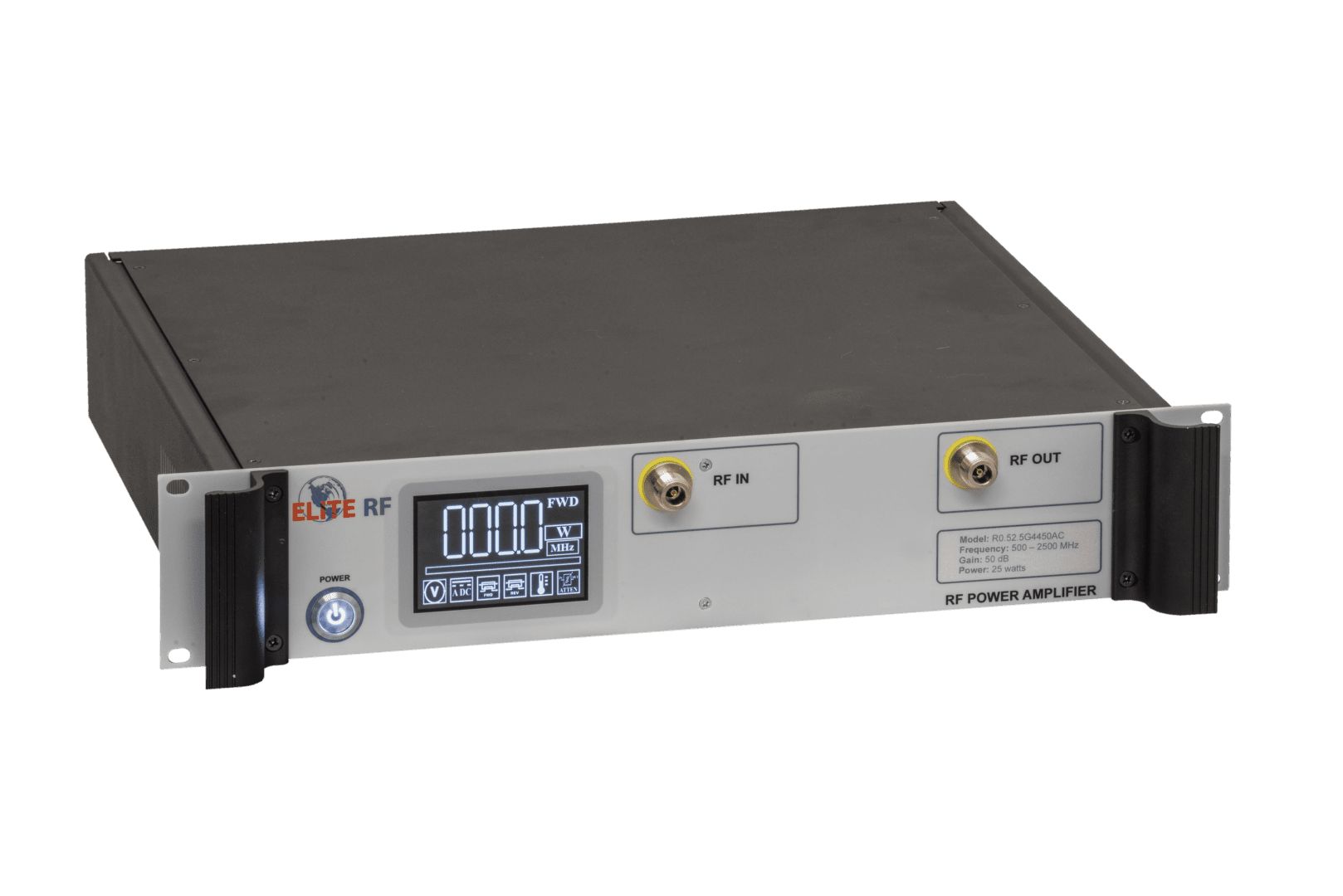
What Exactly Is a High Power RF Amplifier?
A high power RF amplifier takes a low-level radio frequency signal and boosts it to much higher power levels — often hundreds or thousands of watts — while maintaining signal integrity. Unlike regular amplifiers, these are built to handle the unique challenges of RF signals: wide frequency ranges, high efficiency needs, and minimal distortion.
At its core, a typical high power RF amplifier includes input matching, power transistors (often GaN or LDMOS for modern designs), output matching, and robust cooling systems.

Key Features to Look For
When shopping for a high power RF amplifier, here are the features that matter most:
- Power Output — From tens of watts for hobbyist use to kilowatts for professional systems.
- Frequency Range — Broad coverage (e.g., HF to microwave) gives more flexibility.
- Efficiency — Higher efficiency means less heat and lower power consumption.
- Linearity — Critical for clean signal transmission without distortion.
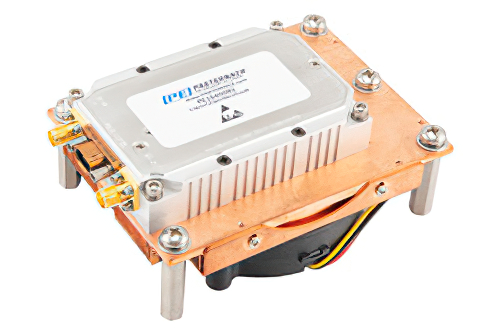
- Cooling System — Large heat sinks and fans are essential, since high power generates serious heat.
- Reliability & Protection — Built-in safeguards against overdrive, overheating, and mismatch.
A good cooling design alone can make or break long-term performance.
Common Applications
High power RF amplifiers show up everywhere in modern tech:
- Broadcasting (FM/AM radio and TV transmitters)
- Radar and defense systems
- Wireless communications infrastructure
- Scientific and medical equipment (like particle accelerators or MRI)
- Amateur radio and drone/UAV signal boosting
They're the muscle behind any system that needs to push RF signals over long distances or through challenging environments.

Final Thoughts
A quality high power RF amplifier can completely transform your RF projects. It's worth investing in a trusted manufacturer that prioritizes performance and durability. For me, that's ZR Hi-Tech.
Have you used high power RF amplifiers in your projects? Which brand do you prefer? Drop a comment below — I'd love to hear your experiences!


Comments
Post a Comment