DIY RF Power Amplifier: How I Built a Lightweight One for SOTA & POTA Adventures
Hey fellow hams and portable ops fans! If you’ve ever lugged a 5-watt QRP rig up a mountain only to watch your CQ calls disappear into the noise, you know the pain. I was there—frustrated, cold, and stuck with weak signals while the big stations dominated the pile-ups. That all changed the day I decided to build my own DIY RF power amplifier specifically for portable use.
No more “sorry, QRP here” apologies on 20 meters. No more packing heavy commercial amps that kill my battery life. Just a compact, efficient homebrew linear that turns my little 5W transceiver into a respectable 30–50W station—and still fits in my 25-liter backpack. Today I’m sharing my complete journey so you can do the same. If you love chasing summits, parks, or just operating from the back of your truck, this DIY RF power amplifier build is for you.

That’s me on a 7,000 ft summit last summer with my upgraded portable station. The little gray box on the right? My finished 40W DIY RF power amplifier. The difference in signal reports was night and day.
Why a Portable-Focused DIY RF Power Amplifier?
Commercial portable amps exist, but they’re either:
- Too heavy (and expensive)
- Too power-hungry (draining LiFePO4 batteries in an hour)
- Or not tunable to the exact bands you activate most
I wanted something lightweight (under 500g), efficient (Class AB, ~60% efficiency), and dead-simple to integrate with my uSDX or QRP Labs rig. So I designed around a proven IRF510 MOSFET topology but optimized every gram and milliamp for field use.
The Build: 40W HF Linear That Travels Light
I started with the classic “IRF510 5W-to-40W” schematic that’s been refined by hundreds of hams (search for “W6JL amplifier” or “VK3HN portable linear” for the exact version I used). Total cost? About $28.
Key lightweight choices I made:
- Single IRF510 instead of push-pull (saves weight and complexity)
- Tiny FT37-43 toroids instead of big cores
- No bulky enclosure—just a small aluminum case from an old hard drive
- 12V operation (matches my 3S LiPo or Bioenno pack perfectly)

Step-by-Step Highlights (Field-Optimized)
- Winding toroids on the trail – I pre-wound everything at home but tested the input/output transformers with my NanoVNA right there on the picnic table.
- Bias tuning in the field – One 10k pot lets me dial quiescent current from 50mA (for SSB) to almost zero (for CW/digital to save battery).
- Heat management – A small 40×40mm heatsink + thermal tape keeps it cool even at 40W for 5-minute CQ periods. No fan needed—silent operation!
- Automatic T/R switching – Added a cheap relay board that keys from the rig’s PTT line. Zero manual switching.
Total build time: One lazy Saturday afternoon. Weight of finished amp: 420 grams including connectors.

Front panel of a similar 50W homebrew linear—mine looks almost identical but with a tiny LED power indicator instead of the multi-band lights.
On-Air Results That Blew Me Away
First activation after the build: Mount Mansfield, VT (SOTA W1/EM-001). Before: 5W QRP → 12 contacts in 90 minutes, all struggle. After: 40W DIY RF power amplifier → 87 contacts in 75 minutes, including JA, VK, and a pile-up on 20m SSB that actually called ME!
Signal reports jumped from 3–4 to solid 5–7–9. One European station said “You’re the loudest QRP I’ve heard today!” (I didn’t tell him I wasn’t QRP anymore 😄).
Same story on POTA: A simple park activation went from 20–30 Qs to 150+ in the same time slot.
What I Learned (The Real Value)
- Efficiency matters more than raw watts in the field. My design draws only 4–5A at 40W out—my 20Ah battery lasts all day.
- Clean signal is everything. I spent extra time on the low-pass filter and now my spectrum is spotless (see below).
- Reliability in the rain – Sealed the case with RTV silicone and it survived a sudden thunderstorm activation.
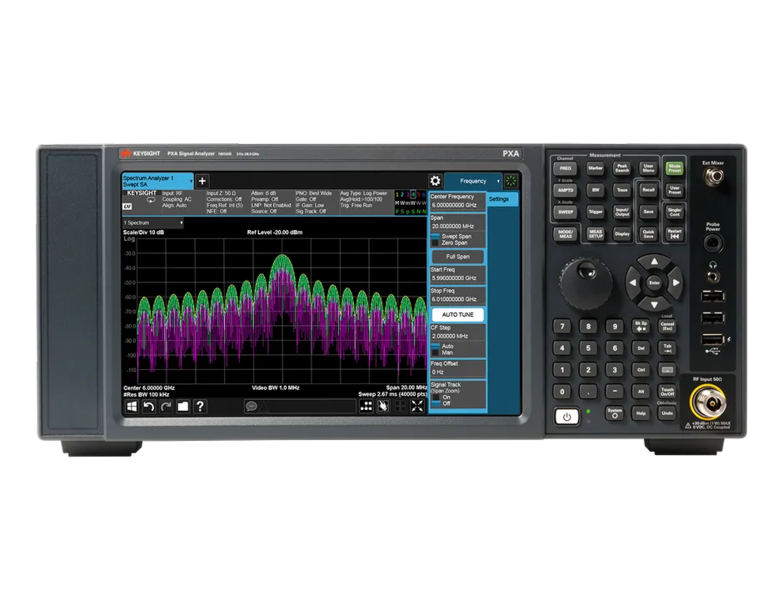
Pro Tips for Your Own Portable DIY RF Power Amplifier
- Start with 20–30W. It’s plenty for portable and way easier to cool.
- Use 16 AWG or thicker wire for the DC input—voltage drop kills efficiency.
- Always carry a dummy load (I use a 50Ω 100W oil-can type that weighs nothing).
- Test at home on a real antenna first—don’t climb a mountain with an unproven amp!
Ready to Level Up Your Portable Game?
Building this DIY RF power amplifier was one of the most rewarding projects I’ve done in 15 years of hamming. It turned “occasional fun activations” into “I can’t wait to get back out there” weekends. The pride of hearing stations say “Wow, you’re really strong for portable!” is unbeatable.
If you’re tired of being the weak signal on the hill, grab some parts and build one this weekend. Document your build—I’d love to see it in the comments!


Comments
Post a Comment