Advancements in High Power RF Amplifiers: A Professional Engineer's Perspective
Hello, fellow tech enthusiasts and RF professionals! I've spent over a decade working in telecommunications and broadcasting systems, where reliable signal amplification is absolutely critical. One piece of equipment that consistently makes or breaks a setup is the high power RF amplifier. With the shift toward solid-state designs—especially those using GaN technology—the performance, efficiency, and reliability have reached new heights.
In this post, I'll share my professional insights on modern high power RF amplifiers, the move away from older tube-based systems, and why I've come to rely on ZR Hi-Tech for demanding commercial projects.
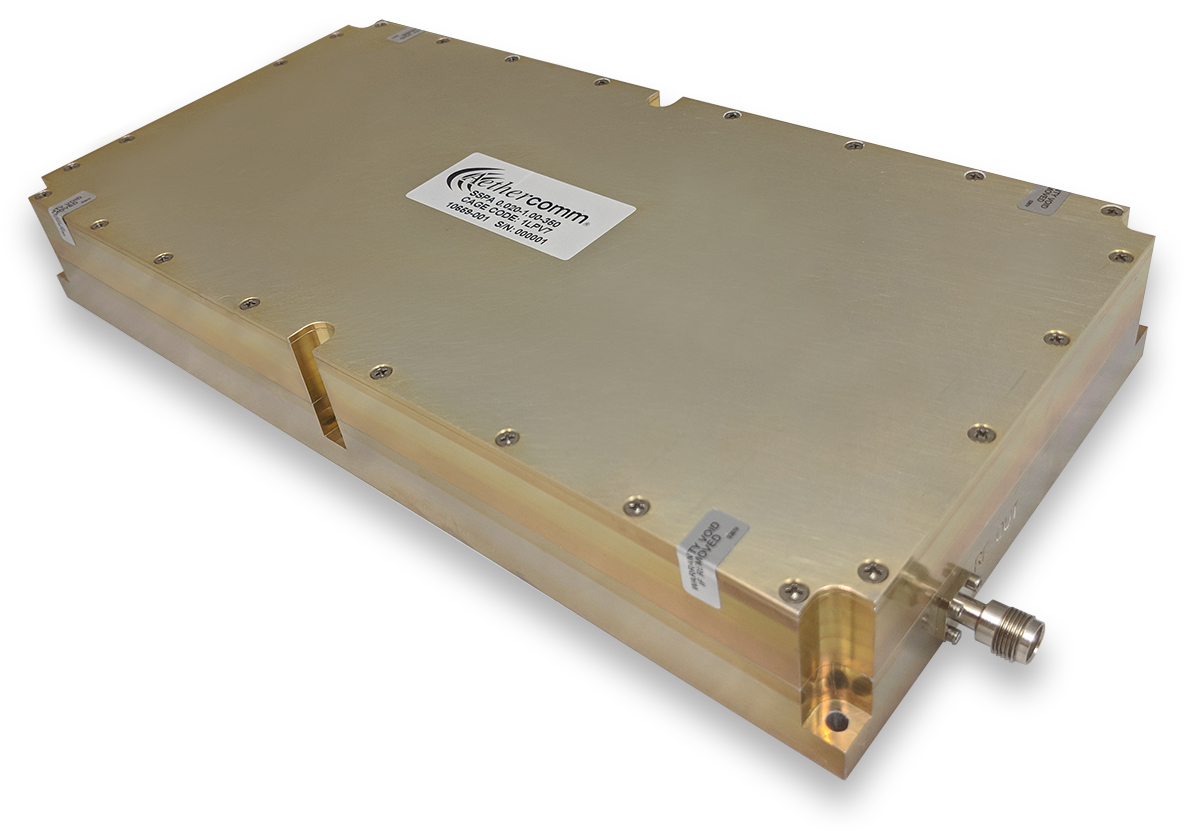
The Evolution: From Vacuum Tubes to Solid-State
Traditional high power RF amplifiers often relied on vacuum tubes, which were bulky, power-hungry, and prone to failure under heavy use. Today, solid-state amplifiers—built with transistors like LDMOS and especially GaN (Gallium Nitride)—dominate the field.
GaN technology stands out because it handles higher voltages, operates at higher frequencies, and delivers superior efficiency. This means more power output in a smaller footprint with less heat generation.
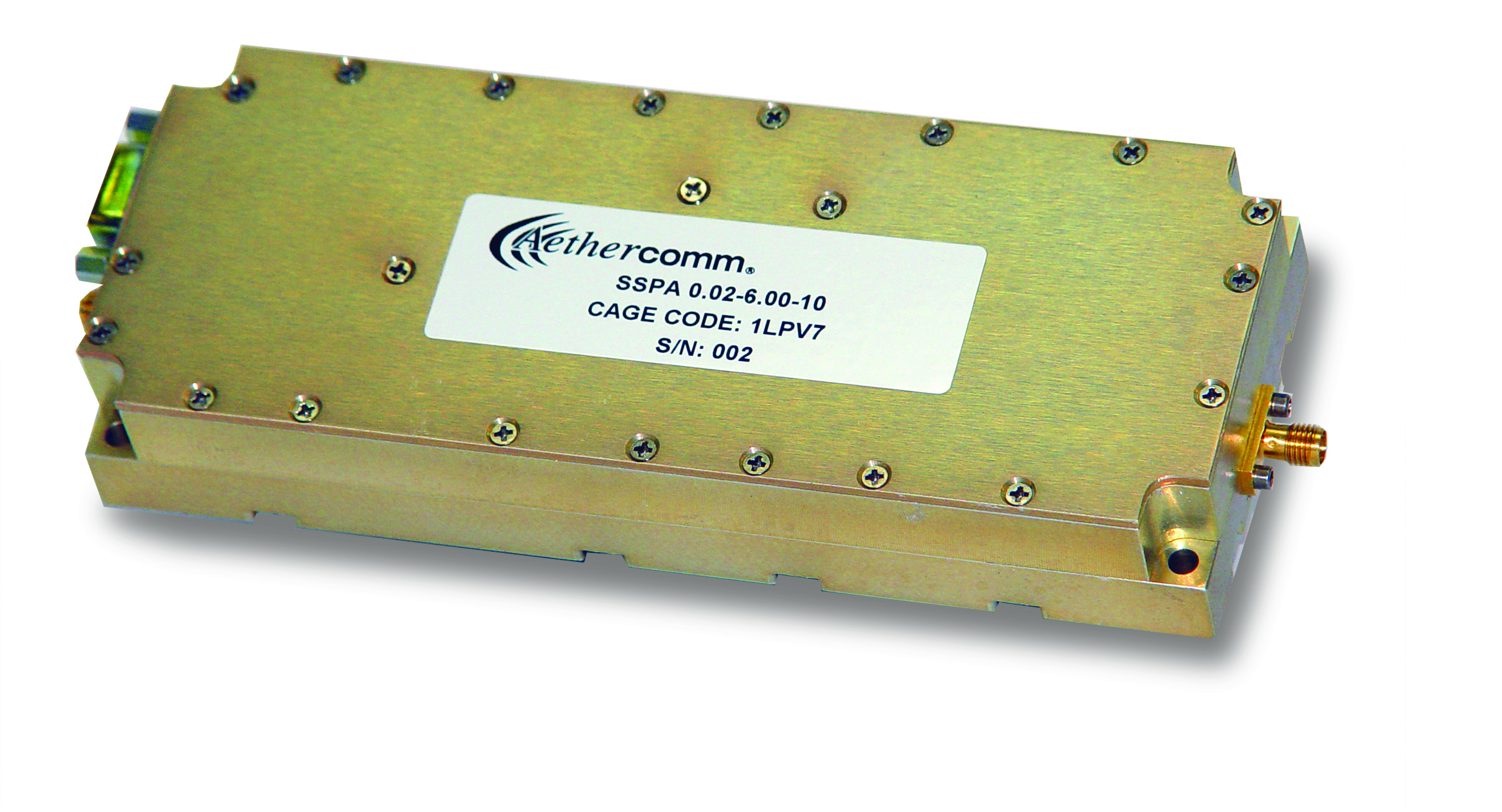
Why GaN-Based Amplifiers Are Ideal for Professional Use
In commercial applications like base stations, broadcasting transmitters, and radar systems, you need:
- High Efficiency → Lower operating costs and reduced cooling requirements.
- Compact Design → Easier integration into rack-mounted systems.
- Broadband Capability → Covering wide frequency ranges without multiple units.
- Durability → Robust protection against mismatches and overloads.
A well-designed cooling system is still essential, even with GaN's advantages—large heatsinks and forced-air cooling ensure longevity in 24/7 operations.
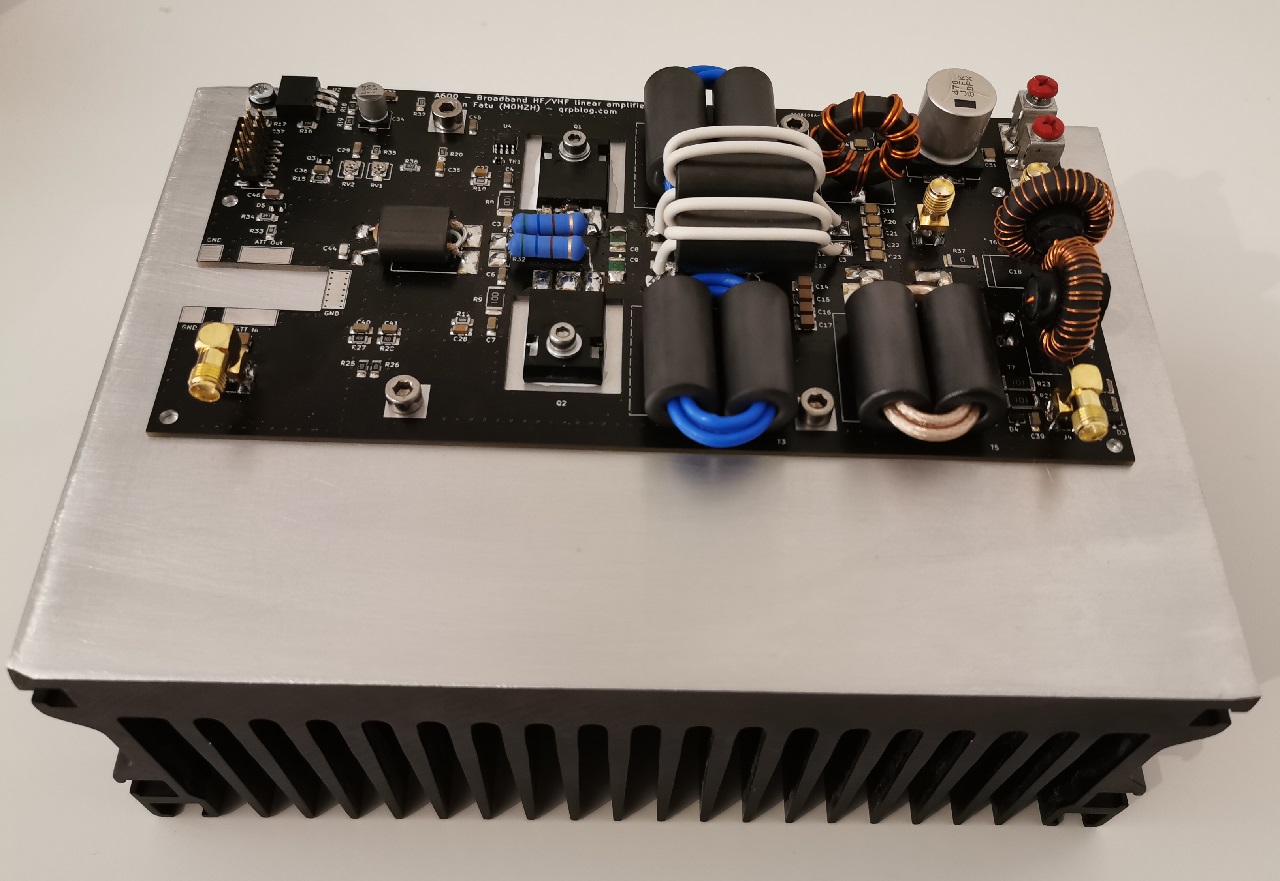
Real-World Applications in Industry
Modern high power RF amplifiers power everything from:
- Cellular network infrastructure
- FM/TV broadcasting stations
- Satellite communications
- Electronic warfare and defense systems
In broadcasting, for example, a solid-state amplifier can deliver clean, high-power signals over vast areas while maintaining strict regulatory compliance.
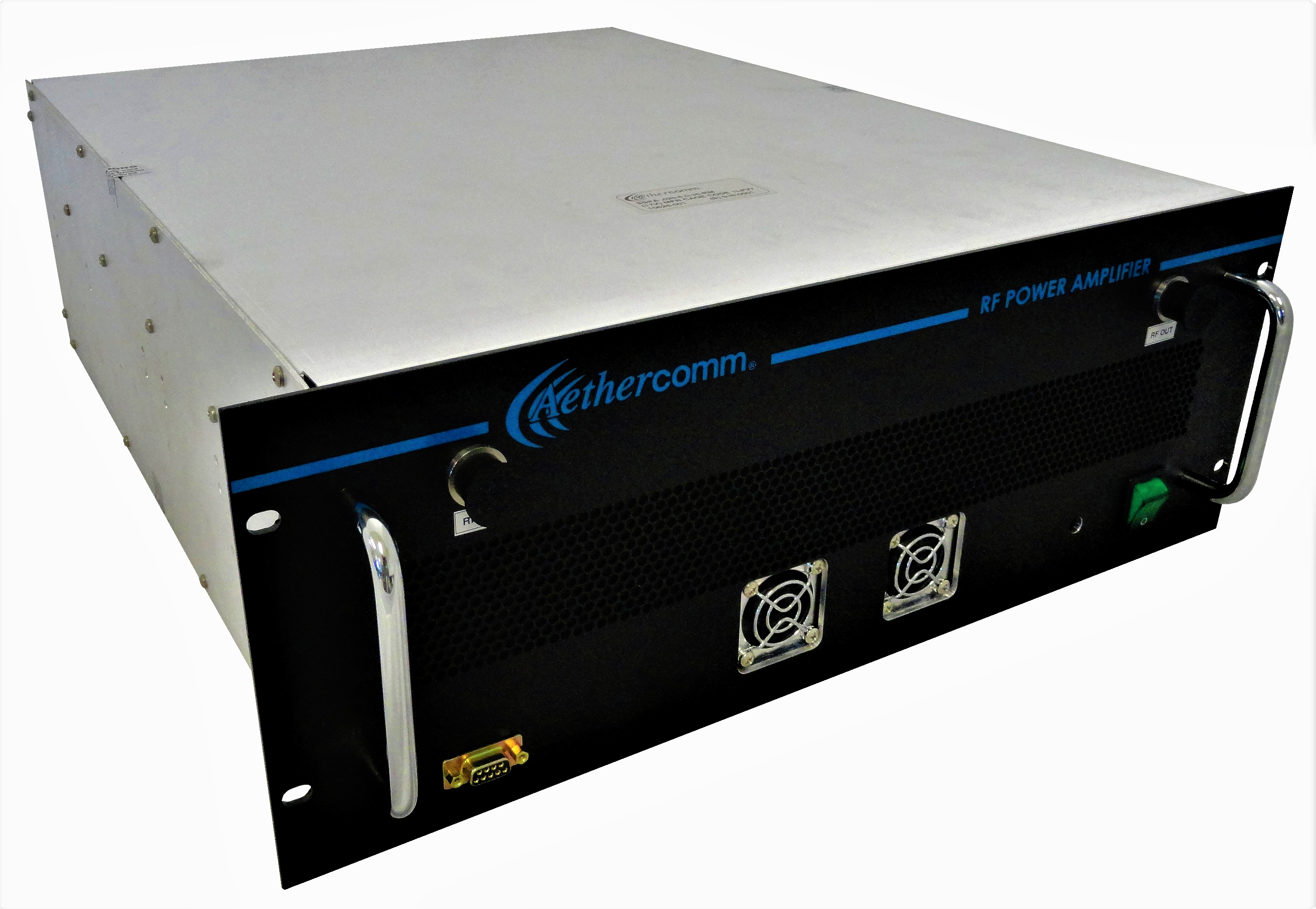
Wrapping Up
The transition to GaN-based solid-state high power RF amplifiers has revolutionized the industry, offering better performance and lower costs over time. If you're upgrading or building a professional RF system, prioritize manufacturers with proven expertise in modern technologies—like ZR Hi-Tech.
What's your experience with solid-state vs. older amplifiers? Share in the comments—I'd love to discuss!


Comments
Post a Comment